
How to care for a mechanical watch so it lasts generations. Winding, water, magnets, cleaning, and service, explained by an Indiana watch company.
October 20, 2026
Written by Dr. Adam Fleddermann, Founder & CEO of Fleddermann von Rieste, who designs every watch and oversees manufacturing and operations.
Here’s the good news: a well-built watch doesn’t need much from you. It’ll put up with a lot of life, including yard work, road trips, and the occasional wrong door frame. But if you want it running for your kids and their kids, a few simple habits make a real difference. So here’s how to care for a mechanical watch, in plain English, from a guy who builds them in Indiana and would very much like yours to outlive both of us.
Most of this applies to any watch, from any brand. Where it helps, I’ll mention how our own watches are built, so you know what they can handle.
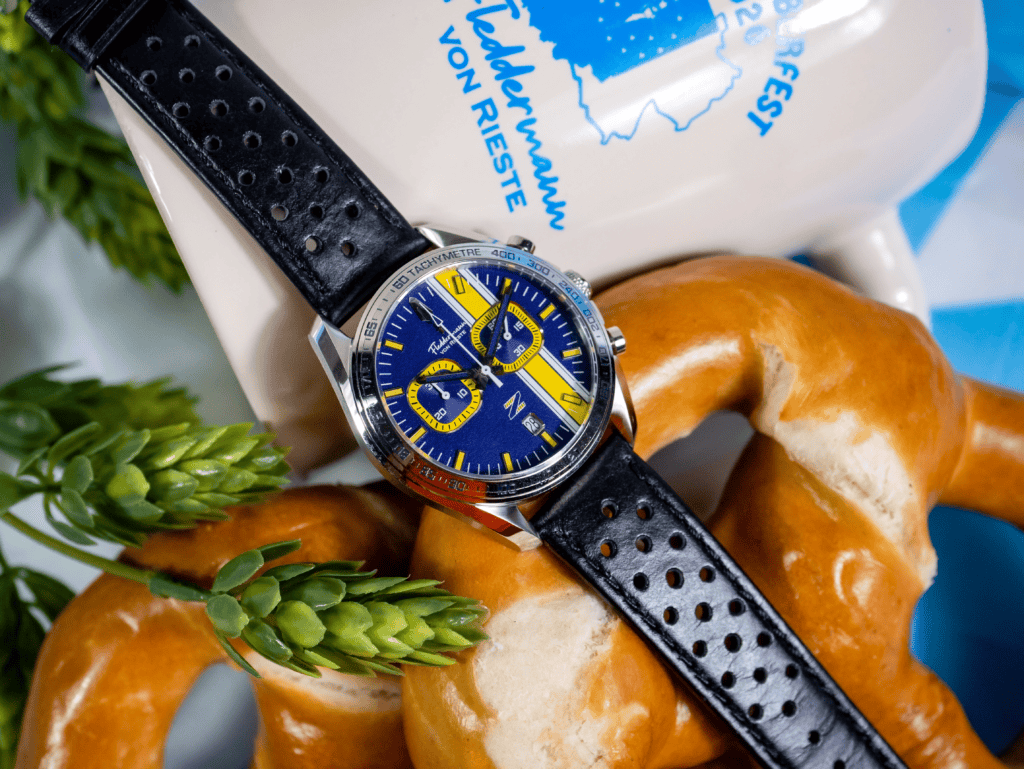
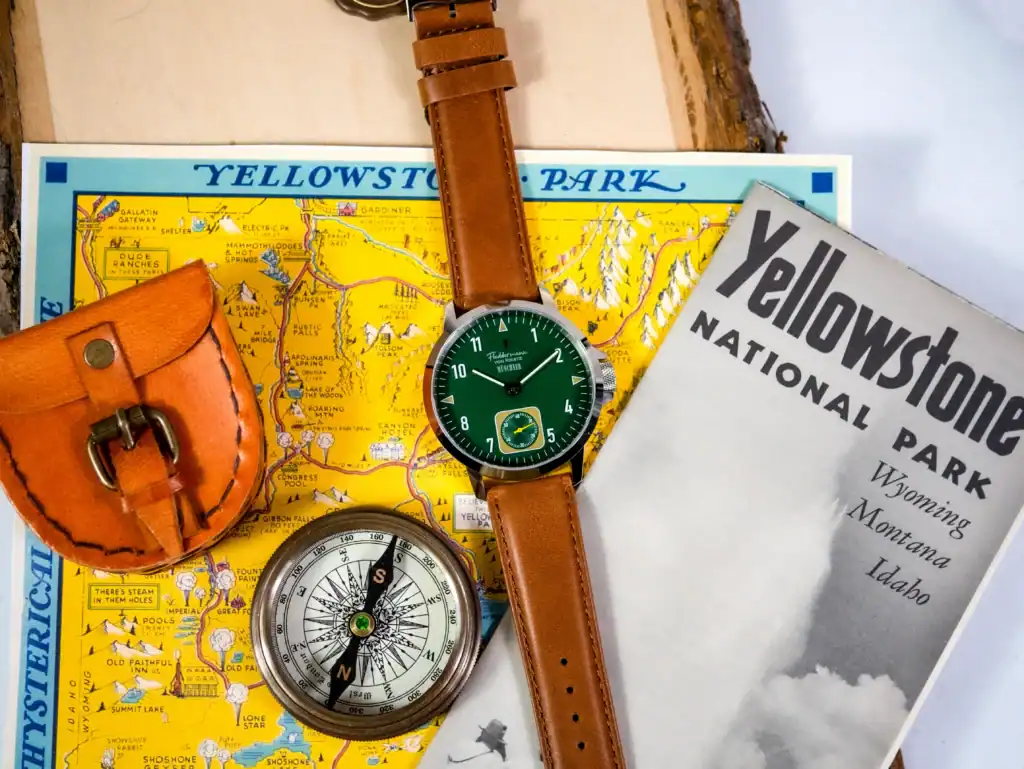
How to Care for a Mechanical Watch Day to Day
Wear it
This one surprises people. The best thing you can do for a mechanical watch is actually wear it. An automatic watch, also called a self-winding watch, winds itself from the motion of your wrist. Wearing it keeps it running and keeps the oils inside moving the way they’re supposed to. Watches that sit in a drawer for years aren’t being protected. They’re being forgotten.
Wind it the right way
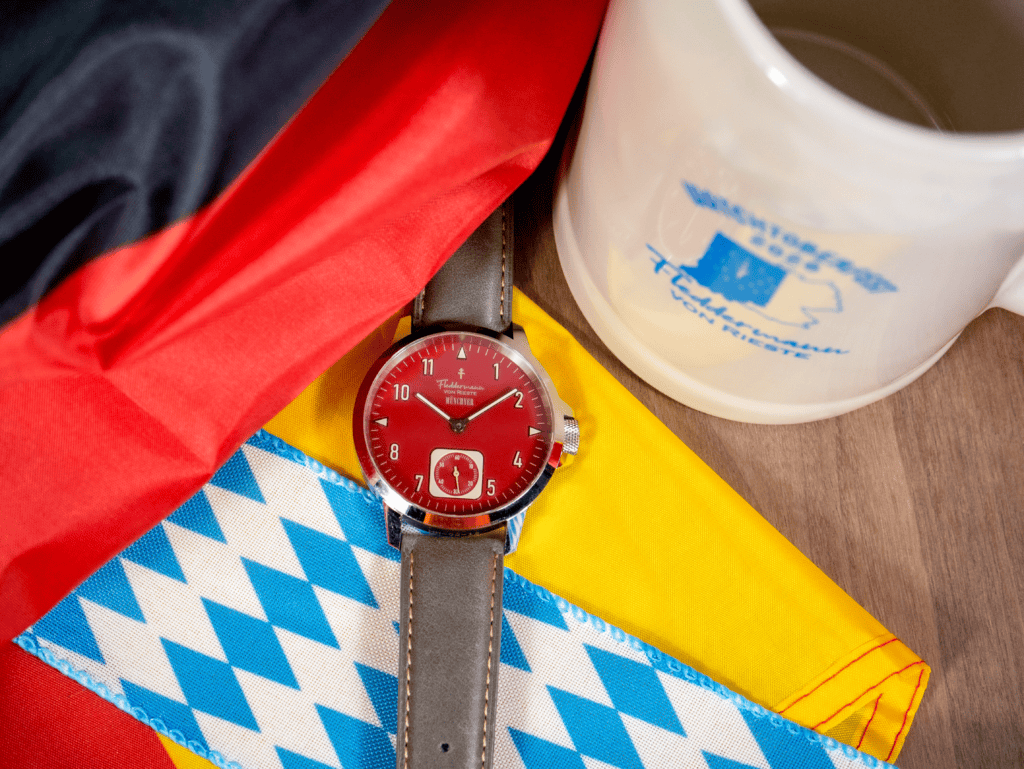
If your automatic has stopped, give it a head start by turning the crown gently before you put it on. Twenty or thirty turns is plenty to get it going, and your wrist will do the rest. If you have a hand-wound watch, like our Munchner, wind it about the same time every day, usually in the morning. Turn the crown until you feel it start to resist, then stop. Don’t force it past that point.
Push the crown back in
After you set the time or wind the watch, make sure the crown is pushed all the way in, or screwed down if your watch has a screw-down crown. A crown left pulled out is one of the most common ways water finds its way inside.
Be a little careful with the date
On many mechanical movements, it’s best not to change the date late at night, roughly between 9 p.m. and 3 a.m. That’s when the date mechanism is already working to switch over, and forcing it can cause damage. The easy fix is to move the hands to around 6 o’clock first, set the date, then set the time.
Take it off for the rough stuff
Your watch can handle more than you’d think, but a sharp hit is still a sharp hit. Swinging a hammer, splitting wood, or hard sports can shock the movement. Our cases are 316L stainless steel with a sapphire crystal, which is extremely scratch resistant, so everyday bumps aren’t much of a worry. But the parts inside are small, and it’s worth sparing them a hard knock when you can.
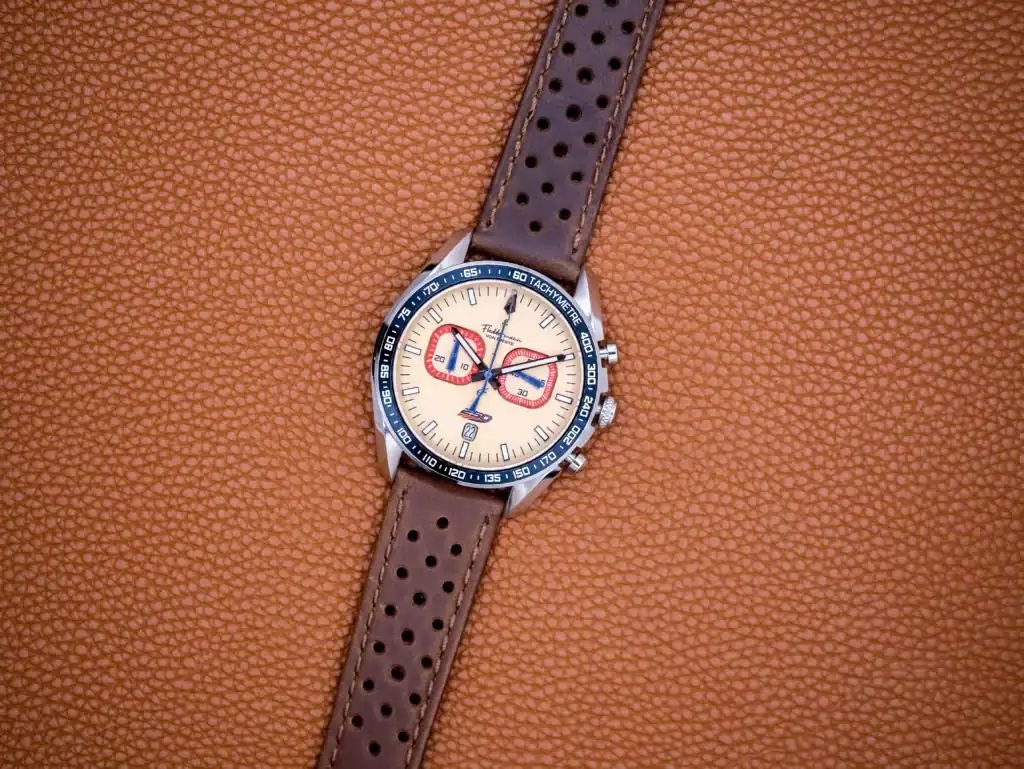
Water, Magnets, and Other Things Watches Don’t Love
Water resistance
Every watch we make is rated to 10 ATM, which is generally considered fine for swimming. Still, a few habits help. Don’t press chronograph pushers or pull the crown while the watch is wet or underwater. Rinse it with fresh water after the pool or the ocean, since chlorine and salt aren’t kind to gaskets. And skip the hot tub and sauna, because heat can wear gaskets faster.
Also know that water resistance doesn’t last forever on its own. The rubber gaskets that seal the case dry out over time, which is why they should be checked and replaced whenever the watch is serviced.
Leather straps
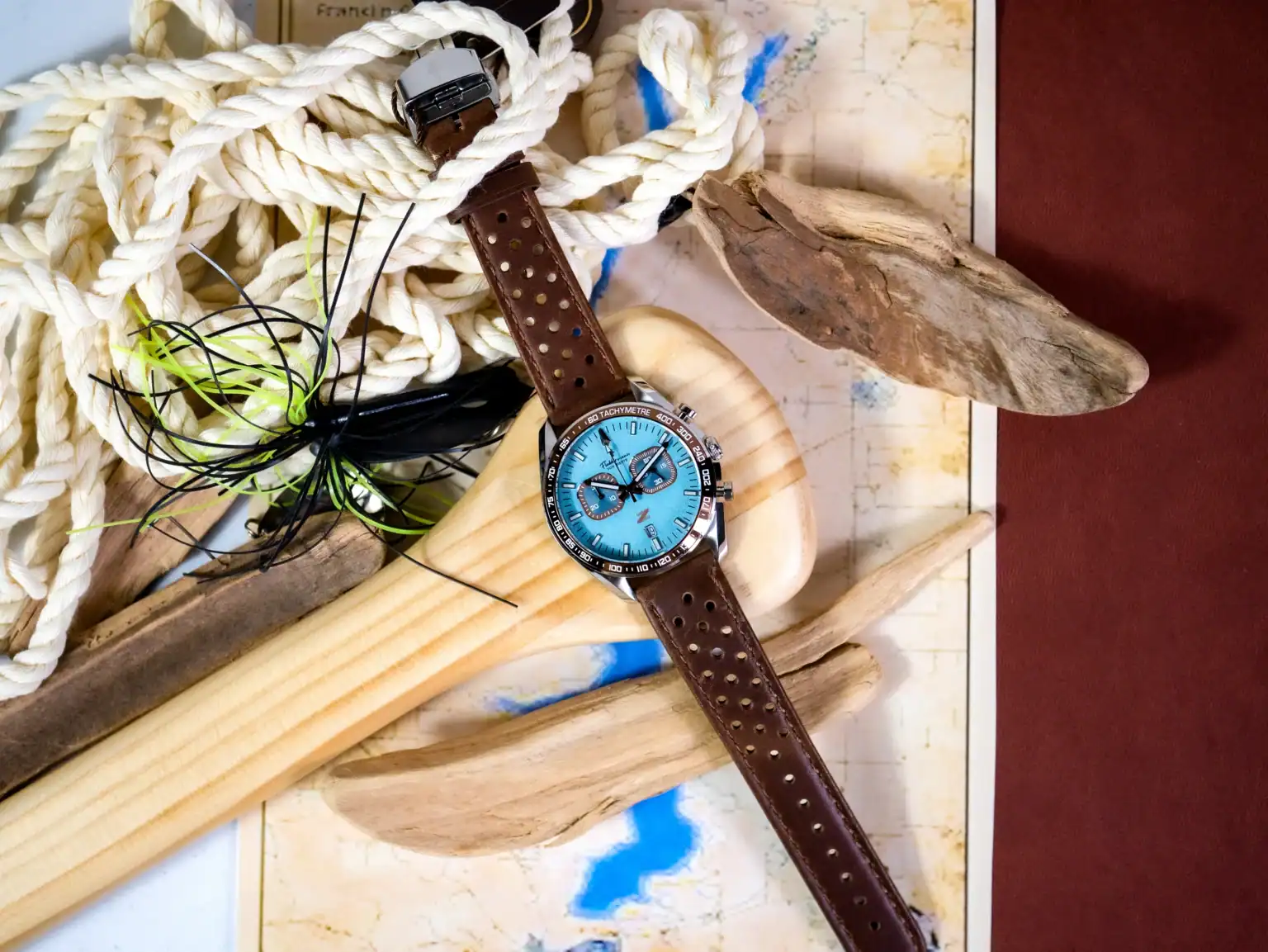
Leather and water don’t get along. If you swim or work up a real sweat, swap to a rubber, fabric, or metal strap, or take the watch off. Let a leather strap air out overnight, keep cologne and lotion off it, and plan to replace it every so often. Straps wear out long before a good watch does, and that’s okay. It’s the cheapest part to replace.
Magnets
Strong magnets can make a mechanical watch run fast or erratically. Phones, laptops, tablet covers, speakers, and magnetic purse clasps are the common culprits. Don’t set your watch on top of them overnight. If your watch suddenly starts gaining a lot of time, magnetism is often the reason, and a watchmaker can usually fix it quickly with a demagnetizer.
Heat, cold, and chemicals
Don’t leave your watch on a dashboard in July or in a freezing truck in January. Extreme temperatures affect the oils and gaskets. And take it off before working with harsh cleaners or solvents.
Keeping It Clean
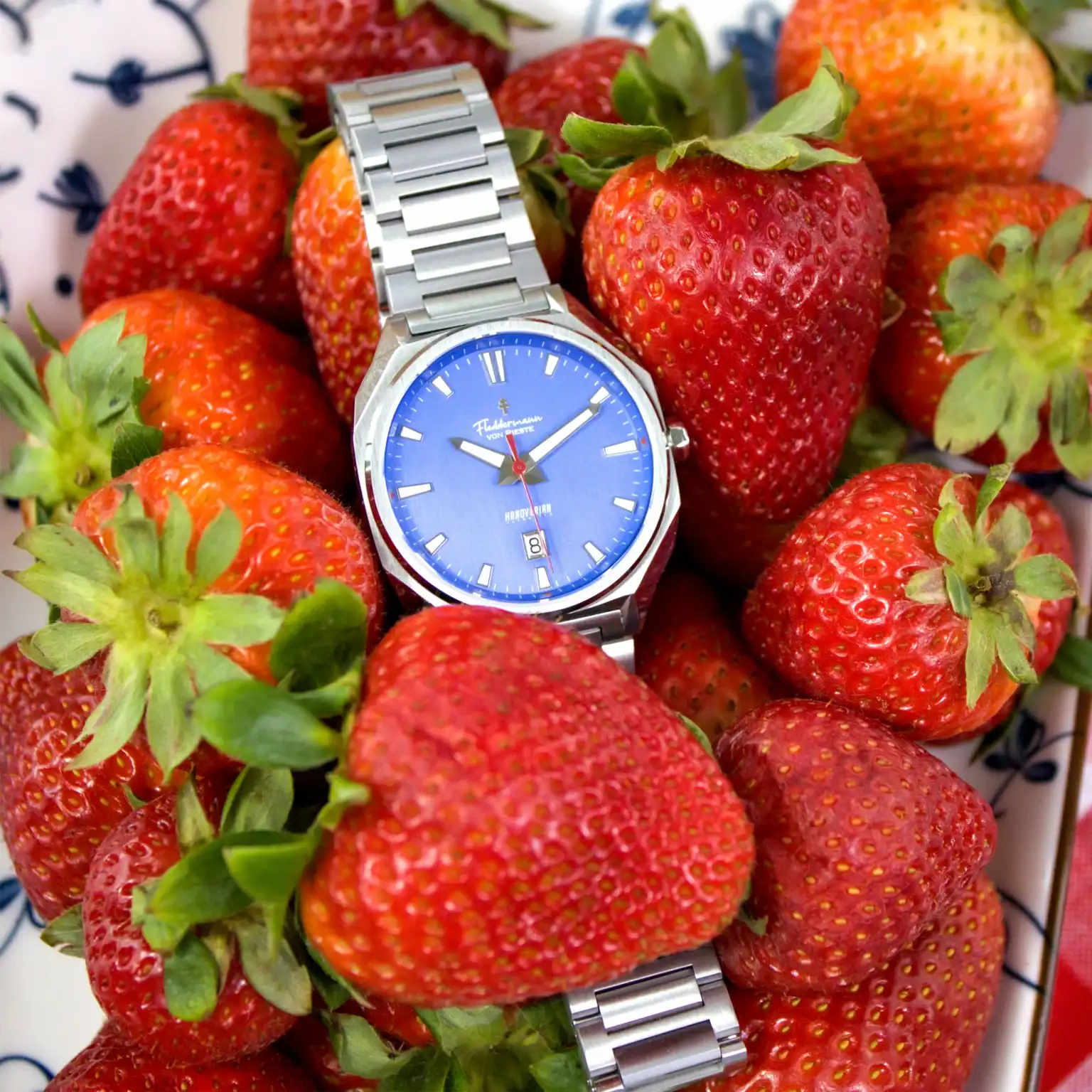
A soft microfiber cloth handles most cleaning. For a steel case or bracelet, a soft toothbrush with a little warm, soapy water works well, as long as the crown is pushed in and the watch is water resistant. Rinse it off and dry it well. Leather straps just need a wipe with a dry cloth.
Service: The Step That Makes a Watch an Heirloom
If you remember one thing from this post, make it this. A mechanical watch is a machine, and machines need maintenance. Over the years, the oils inside break down and parts wear a little. A service is when a watchmaker takes the movement apart, cleans it, oils it, replaces worn parts and gaskets, and regulates it again.
How often depends on the watch and how it’s worn. Many watchmakers suggest every five to seven years, and some larger brands now recommend longer intervals for their newer movements. A good rule of thumb: if your watch starts losing or gaining noticeable time, stops unexpectedly, or has been through a hard knock or a lot of water, get it looked at.
This is also why I think serviceability matters more than almost anything else when you’re choosing watches to pass down. A watch that can’t be serviced has an expiration date. One that can may keep running for a century.
Every watch we sell carries a two-year full warranty, and service runs through Kokomo Watch Company, the same bench in Kokomo, Indiana, where Adam Parrish, an AWCI-certified watchmaker, and his apprentices assembled and regulated it. There’s no mystery service center. When your watch needs care, it goes back to the people who built it.
A quick note on quartz, since we make a couple of quartz models too. Quartz watches need far less maintenance, but when the battery dies, replace it promptly. An old, dead battery left inside can leak and damage the movement.
Storing a Watch for the Long Haul
If you have a watch that won’t be worn for a while, keep it somewhere cool and dry, away from magnets and direct sunlight. The box it came in works fine. A watch winder is nice to have if you own several automatics, but it’s not necessary. Letting an automatic stop and winding it back up later won’t hurt it.
If it’s a watch you’re saving for somebody, wind it and wear it for a day every now and then. It keeps things moving, and it’s a nice excuse to remember who it’s for.
Keep the Story With the Watch
Here’s the part no service manual covers. Keep the box, the warranty card, and your service receipts together. Those papers show where the watch came from and how it’s been cared for, which matters to whoever gets it next.
And while you’re at it, write down the story. When you got it, why you bought it, where you wore it. A folded note in the box is worth more than any receipt. My great-grandfather’s watch from Ritzi Jewelers in Brookville is the reason this company exists, and what made it special wasn’t the watch itself. It was the family that kept it and remembered the man who wore it.
That’s what we mean by attainable legacy watches: heirlooms from the first time on your wrist. We build them to last. The rest is up to you, and it doesn’t take much. We may not be your grandfather’s watch, but with time, we hope to be your grandson’s.
Questions About Your Watch?
If you own one of our watches, you can find the details on our warranty page. And if you’ve got a care question about any watch, ours or not, just email me at adam@fvrwatch.com. I’d much rather answer a question than have somebody guess.
.

Dr. Adam Fleddermann, Founder & CEO
Dr. Adam Fleddermann founded Fleddermann von Rieste after growing up watching his father care for a watch passed down through generations of the family. He designs every watch and oversees the brand’s global supply chain, operations, and manufacturing, working alongside an AWCI-certified watchmaker and his team who lead the hand-assembly of every timepiece in Indiana.
