
What to Look for in a Watch You’ll Keep Forever
September 15, 2026
Written by Dr. Adam Fleddermann, Founder & CEO of Fleddermann von Rieste, who designs every watch and oversees manufacturing and operations.
People ask me this a lot, usually right before they buy their first real watch. Not the cheapest one, not the trendiest one, the one they actually intend to keep. I’ve thought about this question for years now, since it’s the question our entire company is built around, and I’ve narrowed it down to a handful of things that actually matter and a lot of things that don’t.
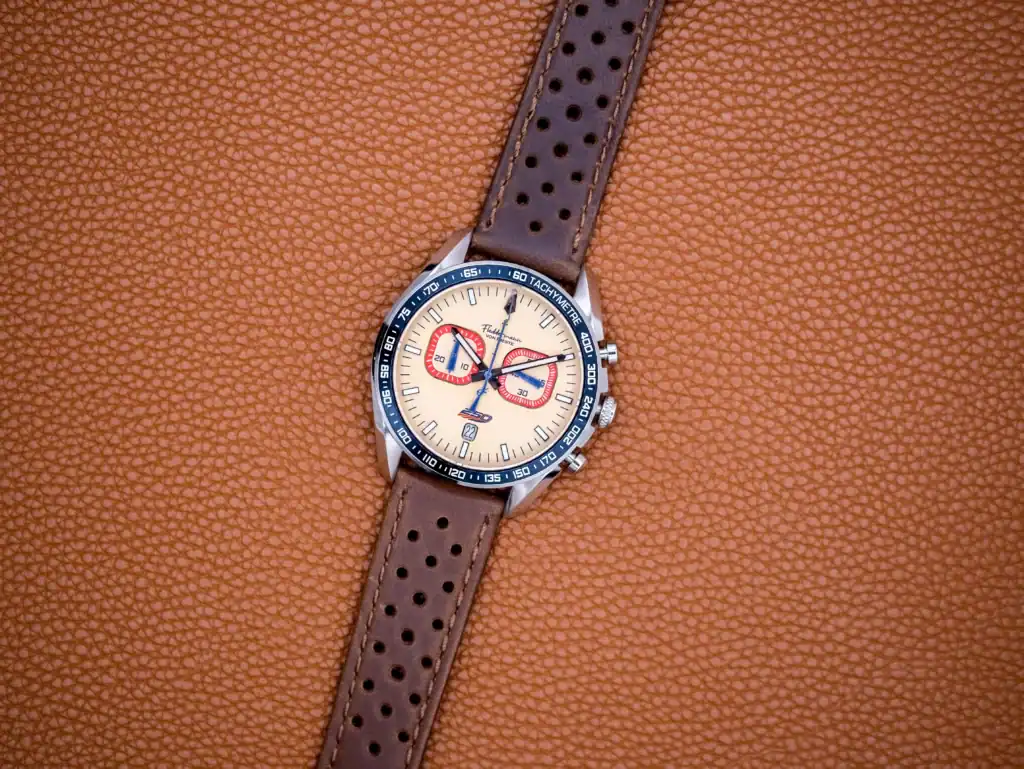
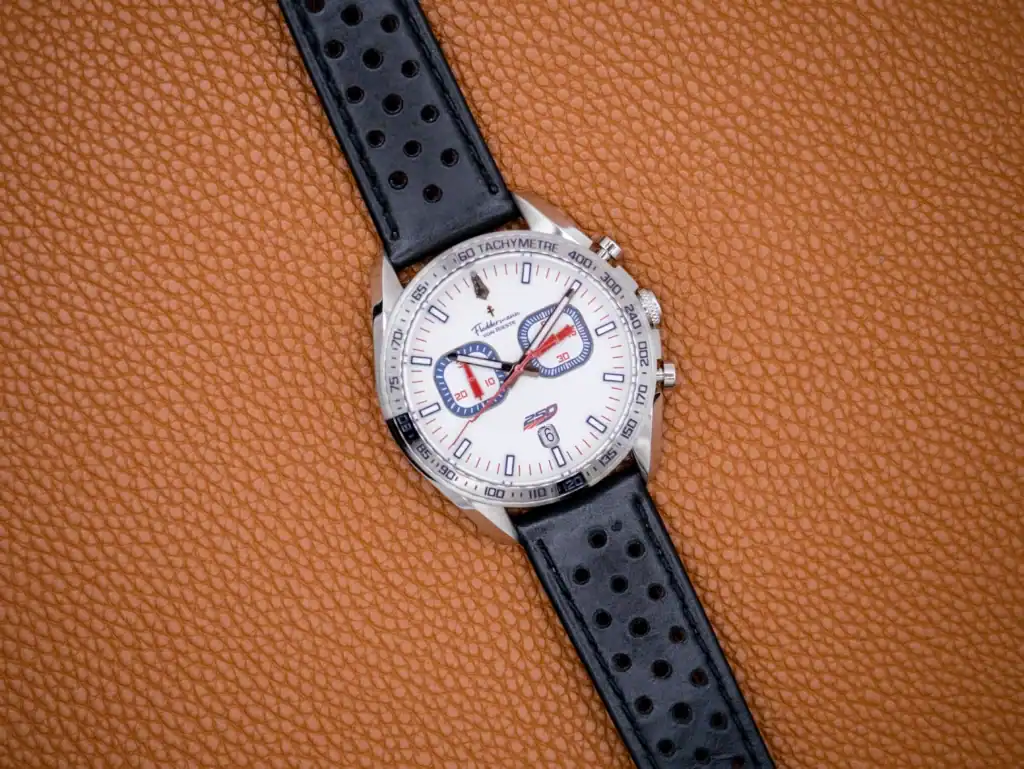
Start with the movement, not the brand name
The movement is the engine. Everything else is the car it’s sitting in. A mechanical watch, whether hand wound or automatic, is serviceable for decades if it’s built and maintained properly. A quartz watch is simpler, more accurate day to day, and easier to live with, but it’s a different kind of ownership entirely, closer to a well made tool than a mechanism you’re forming a relationship with.
Neither is wrong for a watch you’ll keep forever. But know which one you’re buying, and know that a mechanical watch demands a little more from you, regular wear, occasional service, patience with a movement that’s alive rather than perfectly precise.
Materials that actually hold up
This is where a lot of watches quietly cut corners, and it’s the part most buyers never think to check. Look for 316L stainless steel in the case, not a cheaper alloy that’ll corrode or discolor over years of wear. Look for sapphire crystal over the dial, not mineral glass that scratches the first time it meets a car key in your pocket. And look for real water resistance, 10 ATM at minimum if you intend to actually wear the thing, not a number that only holds up in a lab.
None of this is exotic. It’s not even expensive, relatively speaking. It’s just easy to skip if a brand is optimizing for margin instead of longevity, and the only way to know is to ask directly or read the spec sheet closely instead of the marketing copy above it.

Serviceability matters more than most people realize
A watch you’ll keep forever is a watch you can get serviced forever, and that’s not guaranteed just because a brand exists today. Ask who regulates and services the movement, whether that’s a name you can actually reach, and whether parts and expertise will still be available in twenty years. A watch built by a brand with real, findable people behind it, not just a logo, tends to age a lot better than one from a name that might not exist by the time it needs its first real service.
We’re a family owned watch company, and every watch we build is hand-assembled and regulated by Adam Parrish, an AWCI-certified watchmaker in Kokomo, and his apprentices. That’s not a detail we bury, because it’s the answer to exactly this question. You should be able to ask any brand who’s actually behind the bench, and get a real answer.
Design that doesn’t chase the moment
Trends move fast. A watch built to look current in a specific year usually looks dated the moment that year ends. What holds up is proportion, clarity, and restraint, a dial you can read at a glance, a case size that doesn’t feel like a costume in a decade, details that were chosen for a reason rather than because they were popular that season.
This is harder to spot than materials or movement type, since it’s a matter of judgment rather than a spec you can check off a list. My advice, look at watches that have already been around for thirty or fifty years and ask what they have in common. It’s rarely the loudest design in the room.
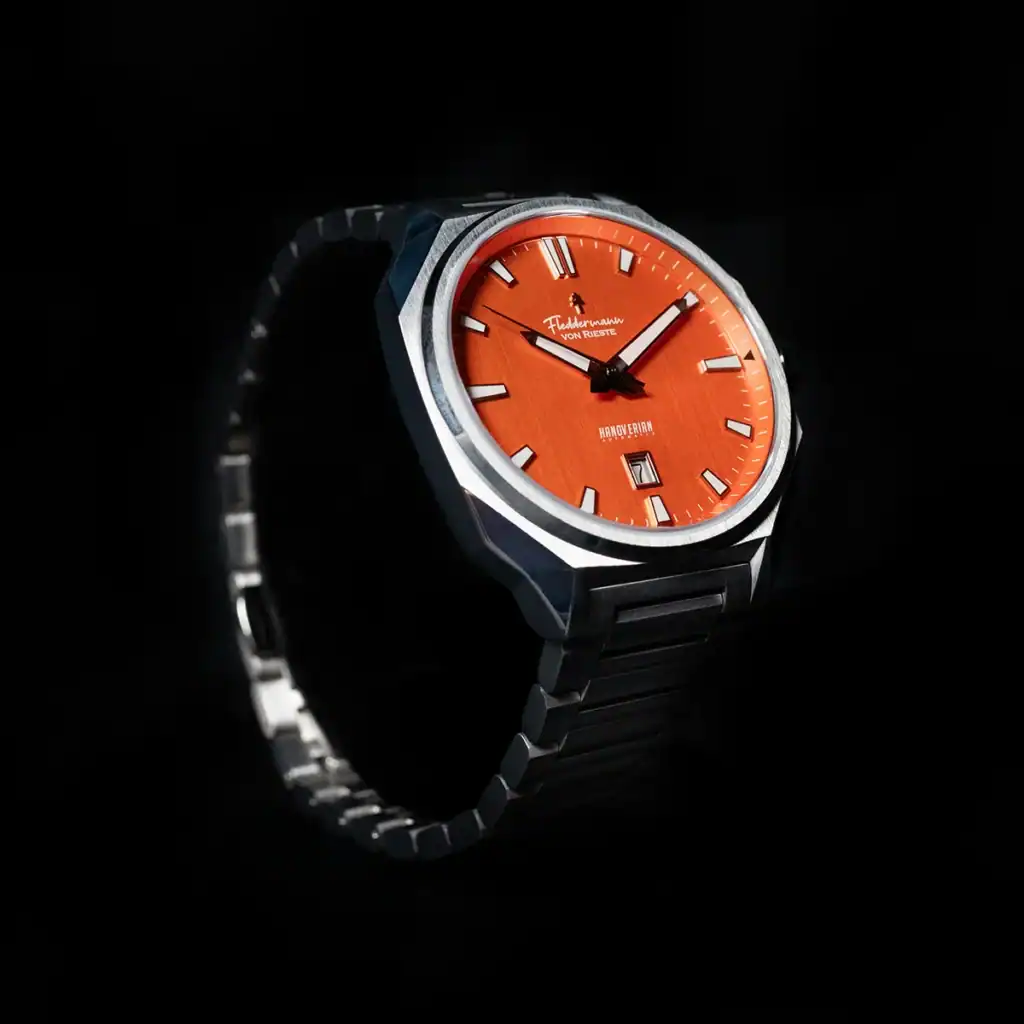
A story worth continuing
This is the part that’s hardest to manufacture and the easiest to fake. A watch you’ll keep forever usually isn’t valuable because of what it cost. It’s valuable because of what happened while you were wearing it, and eventually because of who you hand it to next. That’s not something a spec sheet can give you, but it’s something the right watch, worn consistently rather than saved for occasions, tends to earn on its own over time.
We build attainable legacy watches with exactly that in mind. Every Hanoverian, every Zeitfahren, every Munchner, every Einheit is meant to be worn into that story, not preserved out of it.
A quick checklist
If you want the short version to take with you, here’s what I’d actually check before buying a watch you intend to keep for decades.
Real movement, mechanical or quartz, chosen intentionally rather than by default. 316L stainless steel or a comparably durable case material. Sapphire crystal, not mineral glass. At least 10 ATM water resistance if you plan to wear it daily. A real, named person or workshop behind the service and regulation. A design you’d still want to wear in twenty years, not just this one.
Frequently Asked Questions
Does an expensive watch automatically qualify as a keep-forever watch?
No. Price and longevity aren’t the same thing. Plenty of expensive watches use the same materials and movement types as much more affordable ones, and plenty of affordable watches, ours included, are built with exactly the same intent to last decades.
How important is brand history when choosing a watch to keep forever?
Less than people assume. A century of history doesn’t guarantee good materials or real serviceability today, and a newer family owned watch company can build the same intent into a watch from day one. What matters is whether the brand is still standing behind the watch years from now, not how long it’s existed already.
Can a quartz watch be a watch you keep forever?
Yes. A well built quartz watch with real materials and water resistance is just as capable of lasting decades as a mechanical one. It simply requires less maintenance and offers a different kind of relationship with the watch, more tool, less ritual.
Where to go from here
If you want to see this checklist applied rather than just described, the Hanoverian is our answer to an everyday watch built with all of this in mind. And if the idea of a watch worth passing down is what brought you here, I wrote a longer piece on what makes a watch an heirloom that goes further into that idea.
Or just email me at adam@fvrwatch.com. Tell me what you’re looking at, and I’ll tell you honestly whether it holds up.

Dr. Adam Fleddermann, Founder & CEO
Dr. Adam Fleddermann founded Fleddermann von Rieste after growing up watching his father care for a watch passed down through generations of the family. He designs every watch and oversees the brand’s global supply chain, operations, and manufacturing, working alongside an AWCI-certified watchmaker and his team who lead the hand-assembly of every timepiece in Indiana.
