
The History of American Watchmaking (and Why It Nearly Vanished)
September 22, 2026
Written by Dr. Adam Fleddermann, Founder & CEO of Fleddermann von Rieste, who designs every watch and oversees manufacturing and operations.
Most people don’t know America used to be a serious watchmaking country, not a footnote in someone else’s industry, but a real center of it. I think about that history a lot, because it’s the ground this whole company is standing on, whether people realize it or not.
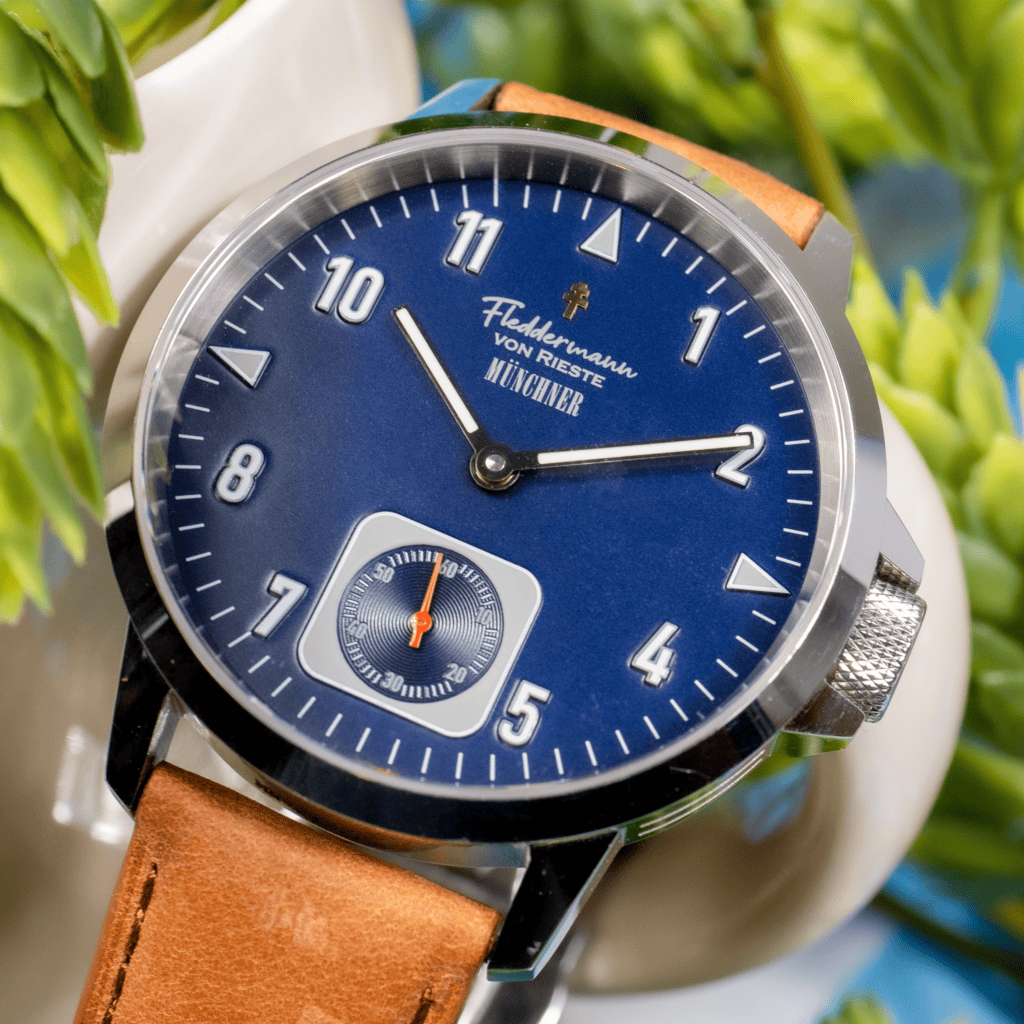
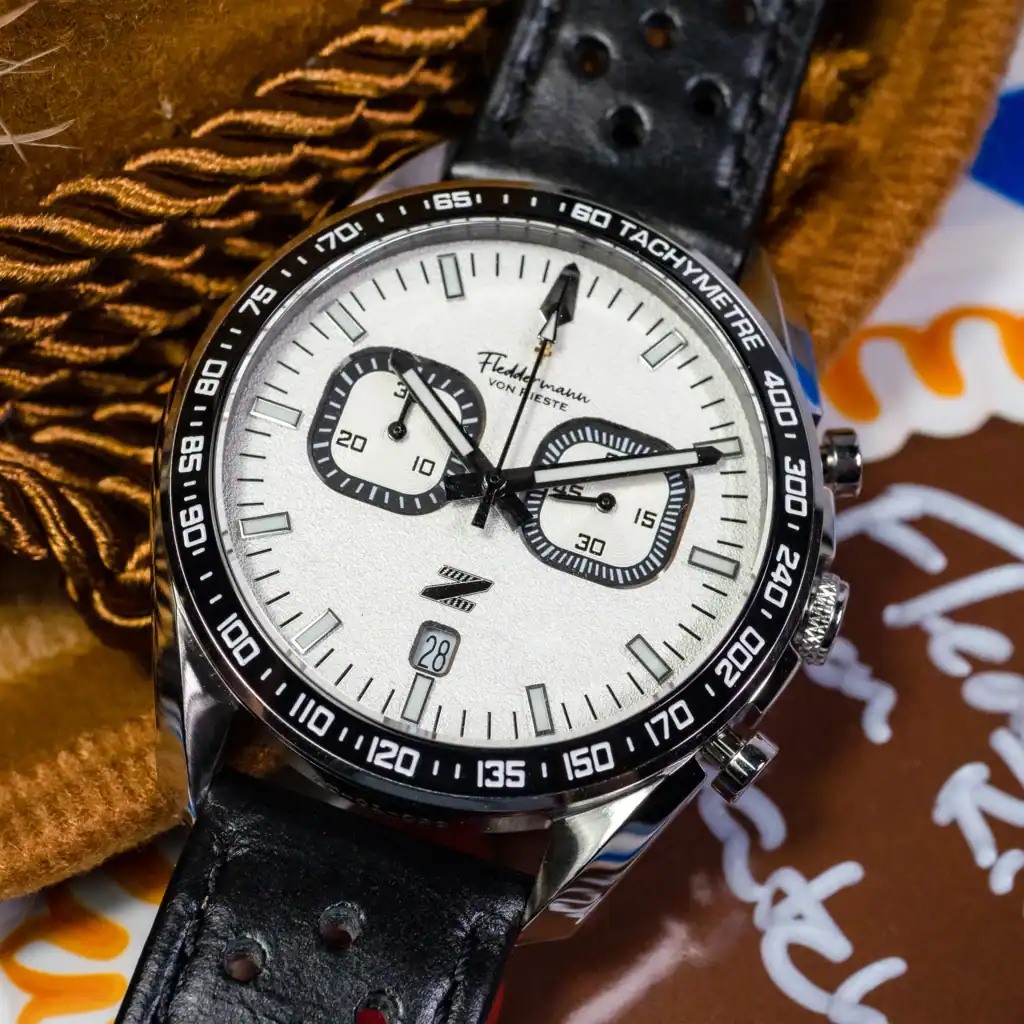
When American watches meant something
In the 1800s and early 1900s, companies like Waltham and Elgin were manufacturing watches at real scale in the United States, precise enough that American railroads required specific standards from watches carried by their conductors and engineers, standards American companies were building to meet. Hamilton, founded in Lancaster, Pennsylvania, became known for exactly that kind of railroad-grade reliability. This wasn’t a novelty industry. It was serious manufacturing, employing real people, building real precision instruments, and doing it here.
What actually happened
The decline wasn’t one event, it was a slow erosion followed by a hard stop. Through the middle of the twentieth century, cheaper overseas manufacturing began drawing production away from American companies looking to cut costs, the same story that played out across a lot of American manufacturing in that era. Hamilton itself eventually moved its watchmaking operations overseas and was later absorbed into a Swiss watch group.
Then came the quartz crisis of the 1970s, which nearly finished the job. Quartz movements, cheaper to produce and more accurate than traditional mechanical movements, undercut the entire mechanical watch industry almost overnight, American and Swiss alike. Companies that had survived decades of competition folded within a few years. By the time the dust settled, the idea of a serious American watch manufacturer had largely become a historical curiosity rather than a living industry.
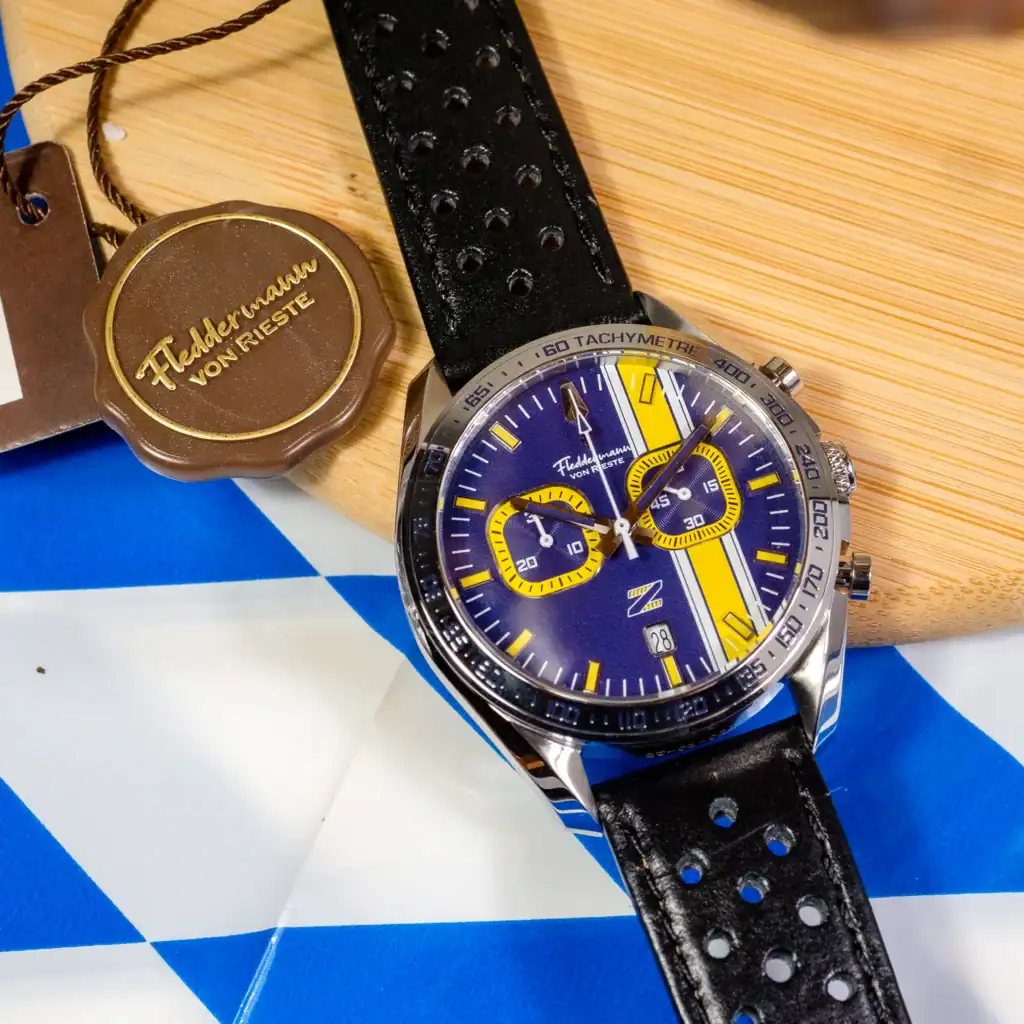
Why it nearly vanished for good
Manufacturing watch components domestically requires expertise, tooling, and infrastructure that doesn’t come back quickly once it’s gone. Once the skilled labor and the supply chains moved overseas or disappeared, rebuilding them wasn’t simply a matter of wanting to. It’s part of why so few brands today can claim genuine domestic manufacturing content, RGM in Pennsylvania being one of the rare exceptions that actually rebuilt that capability from close to scratch. For most of us working in this space now, assembling rather than manufacturing from raw components is the honest, achievable version of keeping watchmaking alive in America.
What if it hadn’t happened this way
I think about this more than I probably should. What if Hamilton had never left? What if American watchmaking had kept building instead of folding under quartz and offshore competition? I don’t know the answer, but I know it left a real gap, a country that once built its own precision instruments, now mostly importing the idea of what a good watch is supposed to be.
That gap is exactly where I think a company like ours belongs. We’re not claiming to be the second coming of Hamilton or Waltham, and I wouldn’t want to overstate that. But we are trying to do something in the same spirit, an American watch brand assembling and hand-regulating real watches here, in Indiana, at a time when almost nobody else is bothering to try.
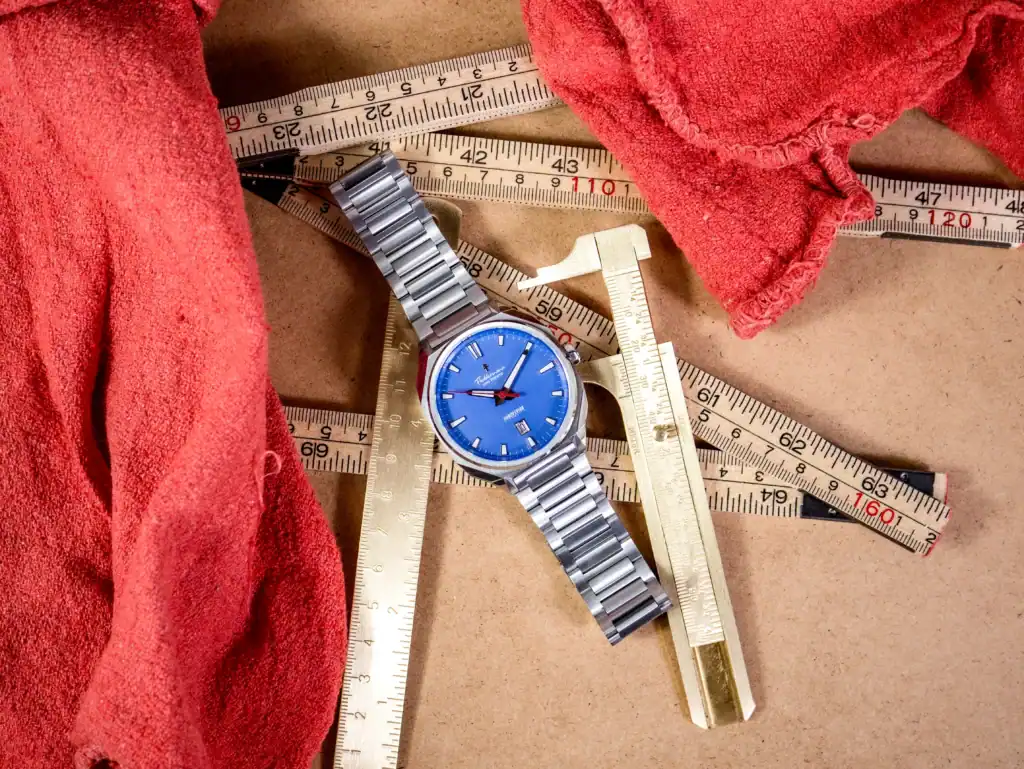
Where we fit into this story
Every Fleddermann von Rieste watch is hand-assembled and regulated by Adam Parrish, an AWCI-certified watchmaker in Kokomo, and his apprentices. We’re an American assembled watch company, not claiming full domestic manufacturing the way Waltham or Elgin once could, but claiming something honest and still meaningful, real hands, real skill, real accountability, here in the United States, at a moment when that’s become the exception rather than the rule.
We may not be the American watch company that history left behind. But I’d like to think we’re evidence that the idea didn’t die with it.
Frequently Asked Questions
Are there any American watch companies that still manufacture their own movements?
Very few. RGM in Pennsylvania is one of the clearest examples still manufacturing movement components domestically. Most modern American watch brands, including us, assemble and regulate imported movements rather than manufacturing them from raw materials.
What caused the decline of American watchmaking?
A combination of factors over decades, rising overseas competition that undercut costs starting in the mid-1900s, followed by the quartz crisis of the 1970s, which devastated traditional mechanical watchmaking across both American and Swiss industries almost simultaneously.
Is American watchmaking making a comeback?
In a limited but real way, yes. A small number of brands are building or rebuilding American assembly and, in rare cases, manufacturing capability. It’s a much smaller industry than it once was, but it hasn’t disappeared entirely.
Where to go from here
If this history is part of what brought you here, I’d point you toward what does “assembled in America” actually mean, which gets into how we fit into this picture today, honestly and without overstating it. And if you want to see the watches carrying that idea forward, the Hanoverian is where I’d start.
Or email me directly at adam@fvrwatch.com. This is a topic I could talk about for hours, so don’t be shy.

Dr. Adam Fleddermann, Founder & CEO
Dr. Adam Fleddermann founded Fleddermann von Rieste after growing up watching his father care for a watch passed down through generations of the family. He designs every watch and oversees the brand’s global supply chain, operations, and manufacturing, working alongside an AWCI-certified watchmaker and his team who lead the hand-assembly of every timepiece in Indiana.
